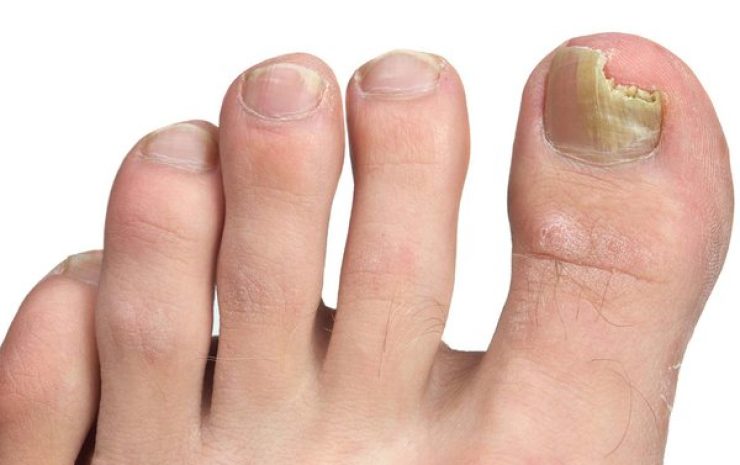
Fungal toenails are very common, but they are often misunderstood. Let’s clear up some of the most common myths.
Every thick or yellow nail is fungal
Not always. A fungal nail may become thick, crumbly or discoloured, but other conditions and previous injuries can cause similar changes. This is why it is helpful to have the nail properly assessed rather than trying to diagnose it yourself.
Fungal nails are caused by poor hygiene
False. Having a fungal nail does not mean your feet are dirty. Fungus thrives in warm, damp conditions, so sweaty feet, enclosed shoes, communal showers and athlete’s foot can all increase the risk.
Repeated damage to a toenail, perhaps through sport or tight footwear, can also make it more vulnerable to infection.

Fungal nails can spread
True. An infection can spread to other toenails or the surrounding skin. It may also be passed between people through shared towels, footwear or nail clippers.
Keeping your feet clean and dry, wearing fresh socks and avoiding shared nail tools can help reduce the risk.
Athlete's foot cream will treat the nail
False. Athlete’s foot and fungal nails are often caused by the same type of fungus. However, creams designed for the skin cannot usually penetrate the hard nail plate effectively.
It is still important to treat athlete’s foot, as it can spread from the skin into the toenails.
Home remedies will cure a fungal nail
There is no reliable evidence that they will. Products such as tea tree oil, vinegar and vapour rub are often recommended online, but there is no good, consistent evidence that they are safer or more effective than recognised treatments. Some products may also irritate the skin.
Fungal nails clear up quickly
Unfortunately not. Toenails grow slowly, so treatment often takes many months. Even when the infection has been successfully treated, the damaged nail must grow out before you see a healthier nail replacing it.
Treatment may include an antifungal nail solution, reducing the thickness of the nail or medication prescribed by a GP. The best option will depend on how much of the nail is affected and your general health.
Fungal nails are dangerous
Usually not, but they shouldn’t always be ignored. For most people, a fungal toenail is not serious. However, a thickened or damaged nail can become painful and may make walking or wearing shoes uncomfortable.
Professional advice is particularly important if you have diabetes, poor circulation, reduced feeling in your feet or a weakened immune system.
Let Us Take a Look
If you are worried about a thick, damaged or discoloured toenail, please don’t feel embarrassed. We see these problems regularly at Heels & Toes.
We can assess the nail, explain what may be causing the changes and talk you through the most appropriate next steps.
Put your feet in good hands.
